Residue detected None detected
57.7%
of the food samples USDA tested in 2024 carried a detectable pesticide residue. More than 99% were within legal limits. Within the limit is not the same as none: only 42.3% had none at all.2

Sunny Greens Farm is a planned indoor farm, designed to grow premium leafy greens and herbs in a fine mist of water and nutrients. No soil, no synthetic pesticides, nothing altered. Because clean food shouldn't be this hard to find.
Anyone who has bought a tomato at a farmers market knows the difference. Produce that has to cross the country can be picked before it's fully ripe so it survives the trip, and its vitamin C starts fading from the moment it's cut, faster the longer and warmer the journey.1
The label won't tell you any of that. If you want to eat clean today, the research is your job.
See the label we want to write
What the label doesn't tell you
Residue detected None detected
57.7%
of the food samples USDA tested in 2024 carried a detectable pesticide residue. More than 99% were within legal limits. Within the limit is not the same as none: only 42.3% had none at all.2
Riboflavin, median of 43 garden crops
38%
less riboflavin in 1999 than in 1950, in USDA's own food tables for 43 garden crops. Protein, calcium, phosphorus, iron and vitamin C fell too. The researchers' likeliest explanation: crops bred to produce more per acre, with a possible trade-off in nutrients.3
Imported share of fresh vegetables
35%
of the fresh vegetables available in the US in 2023 were imported, up from 20% in 2007.4 When inspectors find a pest at the port, a shipment can be fumigated before it's let in.5
None of this is on the label.
Read the fine print behind natural, organic and bioengineeredWe mean something specific by that: a plant grown as nature designed it, from unaltered seed, with nothing added to change what it is, make it travel or make it last.
Our goal is 100% organic, as intended by nature. We intend to pursue USDA organic certification, and the word goes on our produce only once that certification is earned.
The plan is to use no pesticides at all. If a crop ever needs protecting, only what organic rules allow, so nothing compromises organic or non-GMO.


Designed so every layer gets the same light, the same mist and the same clean air, from the floor to the top rack.
Concept image. Our facility is in the planning phase.
Quantity is easy to promise. We're planning for the things you can taste.
Follow the farm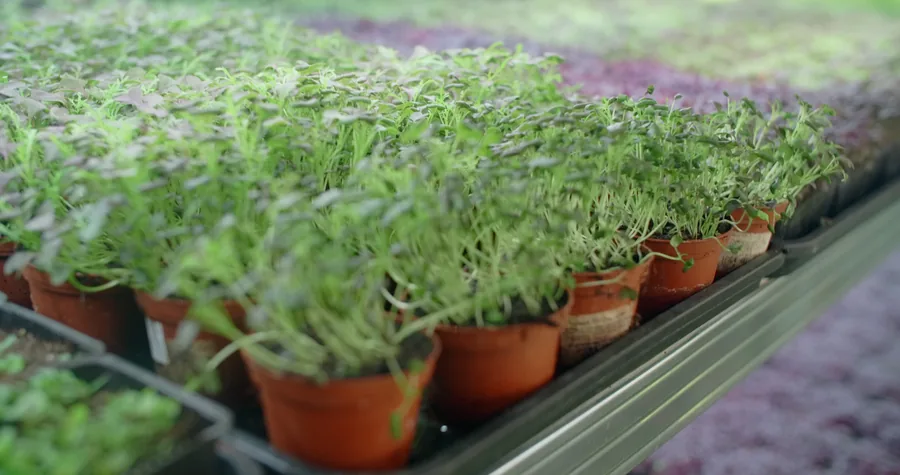
When a crop doesn't have to survive a long trip, you can choose it for taste and texture instead. Varieties are selected for how they eat, not how they ship.
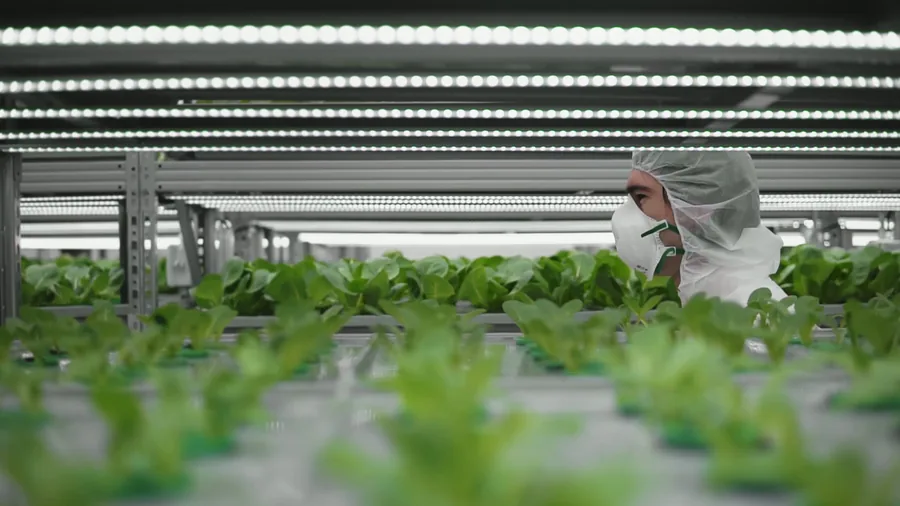
Harvested at its peak, not early so it can ride a truck for days. A short trip to Florida kitchens and shelves is the whole point of growing here.
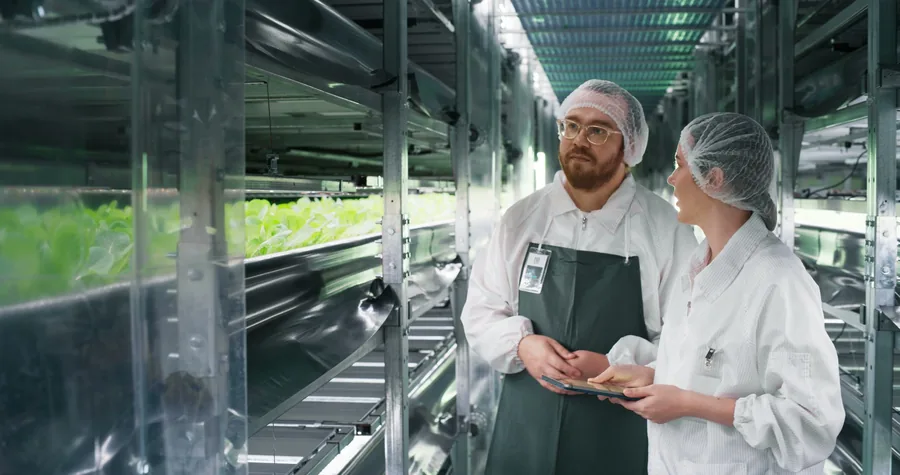
The plan pairs people who know growing with precise systems that hold light, water and air steady, every hour of the year.
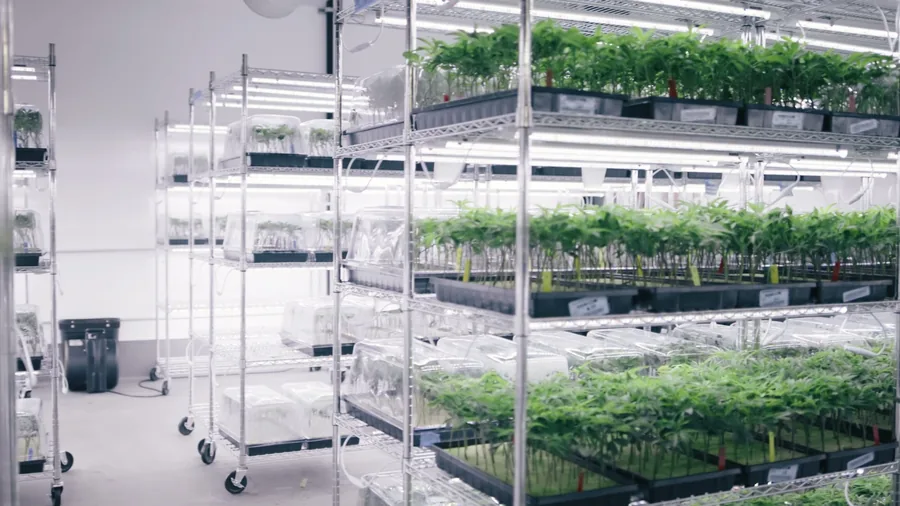
This is meant to be premium produce. It won't be the cheapest on the shelf, and it isn't trying to be. Quality comes before quantity at every stage.
The plans are still being refined, and each stage is meant to be shaped by what the one before it teaches us. What won't change is the idea: clean food, without manipulation.
Bringing together specialists, and working through land, planning and permits.
We are here
Construction of the first phase of the facility.
Installing the aeroponic systems and testing crops until they meet the standard.
The first produce reaches Florida tables.
Expanding only as demand and quality allow.


Food is one of humanity's most basic needs. It should be this simple.
We believe people want to eat clean, and that this is where food is going. We intend to help get it there.
Concept image
Updates as the project moves, and nothing else. Leave any time.
Press, suppliers, stores, chefs, or interest in the business behind the farm. Send it straight to the team, and a person will read it.